A practical guide from The Fig Shop
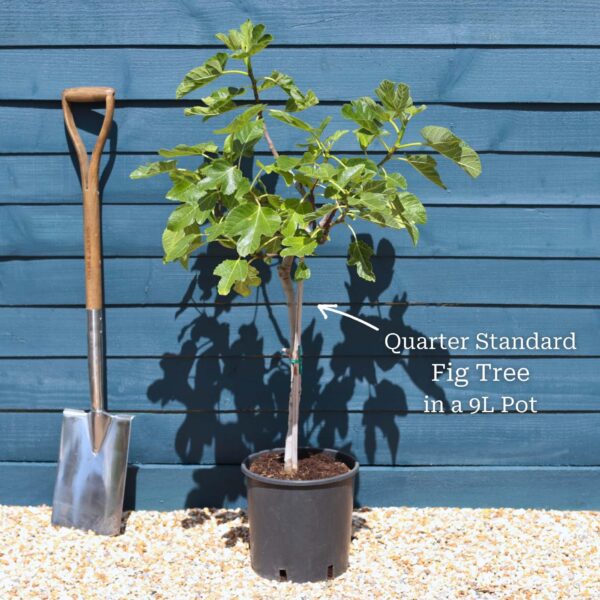
There’s something special about unwrapping a young fig tree. Whether you’ve ordered one of our carefully selected varieties from The Fig Shop, or picked one up after a bit of research, you’re now holding the beginning of something that can genuinely thrive in a British garden.
But figs are a little different. They’re not difficult—but they do need to be understood. Think of this less as a checklist, and more as a quiet conversation about how to help your tree settle in and eventually reward you with proper, sun-ripened fruit.
Give your fig the warmest place you can find
If you’ve spent any time browsing The Fig Shop, you’ll know we emphasise UK-reliable varieties. But even the best variety still needs the right conditions.
n Britain, ripening is the real challenge—not growth. Your fig tree will grow almost anywhere, but fruit needs warmth. So choose a spot that feels a bit like a Mediterranean compromise: sunny, sheltered, and preferably against a south- or south-west facing wall.
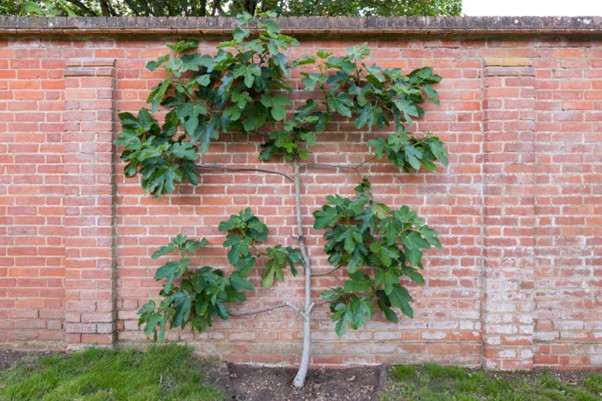
That wall is doing more work than you think—absorbing heat during the day and releasing it slowly at night. It can be the difference between figs that almost ripen… and figs that actually do.
Planting: don’t rush it
When your tree arrives from us, it’s ready—but that doesn’t mean the weather always is.If the ground is cold, frozen, or overly wet, just wait.
Keep your tree in its pot in a sheltered spot for a short while. It won’t suffer, and you’ll avoid one of the most common problems in the UK: planting into poor conditions and slowing the tree down before it even begins.When you do plant, make sure the soil drains well.
Figs dislike sitting in water—especially during winter months. If your soil is heavy clay, it’s often better to improve drainage or even consider growing in a container.
Watering: steady hands, not heavy ones
A newly planted fig tree needs consistent moisture while it establishes. Not soaked, not neglected—just steady.In the first growing season, think of watering as helping the roots settle in. After that, figs become much more forgiving.If you’ve bought one of our trees for container growing (which many UK customers do), keep in mind that pots dry out faster, especially in warm spells.
A quick check with your fingers in the soil will tell you more than any schedule.
Feeding: less is more
This is where many well-meaning growers go wrong.Your fig tree doesn’t need heavy feeding early on. In fact, too much fertiliser encourages leafy growth at the expense of fruit.
A bit of compost when planting is more than enough to start. As the season progresses and fruit begins to form, a gentle feed—something like a tomato fertiliser—will support fruit development without pushing excessive growth.
At The Fig Shop, we always prefer balance over force. You’re not trying to rush the tree—you’re helping it settle into a rhythm that works in the UK climate.
Why figs actually prefer tight roots
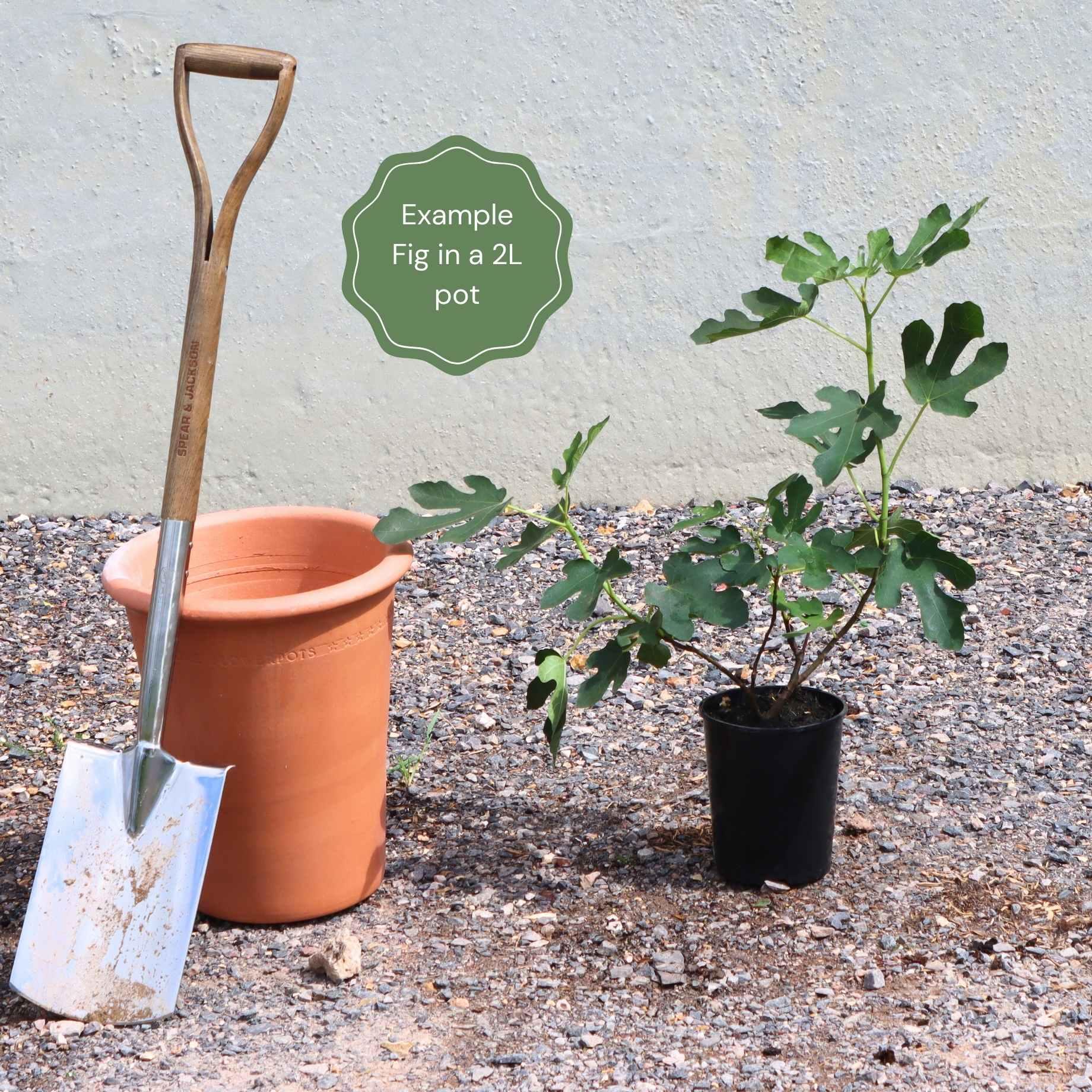
This often surprises people.Unlike many fruit trees, figs produce better when their roots are slightly restricted. If you plant them in deep, rich, open soil, they’ll often grow vigorously… but hold back on fruiting.
That’s why container growing works so well in Britain—and why many gardeners intentionally limit root spread even in the ground.
Protecting your tree in winter
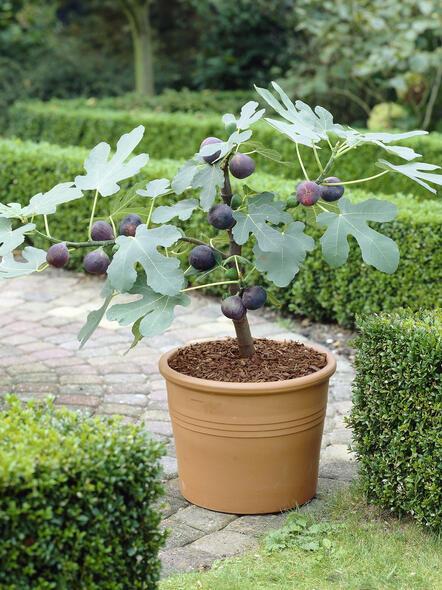
Most of the varieties we offer at The Fig Shop are chosen for their ability to cope with British conditions—but young trees still benefit from a bit of care in their early years.If your tree is in a pot, simply move it to a sheltered spot during harsher weather. If it’s in the ground, even light protection—like fleece during a cold snap—can make a difference.
UK winters aren’t always extreme, but they are unpredictable. And it’s that unpredictability that tends to catch young trees out.
Give it time—this is a long-term investment
One of the quiet joys of growing figs is that they reward patience.Your tree may not produce heavily in its first year, and that’s perfectly normal. What matters is that it establishes strong roots and settles into its environment.
By choosing a tree from The Fig Shop, you’ve already taken the most important step—starting with a variety that has proven itself in the UK. From here, it’s simply about giving it the conditions to do what it’s designed to do.
Final thoughts from The Fig Shop
If there’s one way to think about fig growing in Britain, it’s this:You’re not forcing a Mediterranean plant to survive—you’re helping it adapt.Give it warmth where you can. Keep it well-drained. Don’t overfeed. Let the roots settle. And allow time to do its work.
Do that, and one day you’ll pick a fig straight from your own tree—soft, sweet, and fully ripe in a British garden.And that’s when it all clicks.